

Evolution of Industrial Efficiency: Key Attributes of a Leading Two-Stage Screw Air Compressor Solution Provider
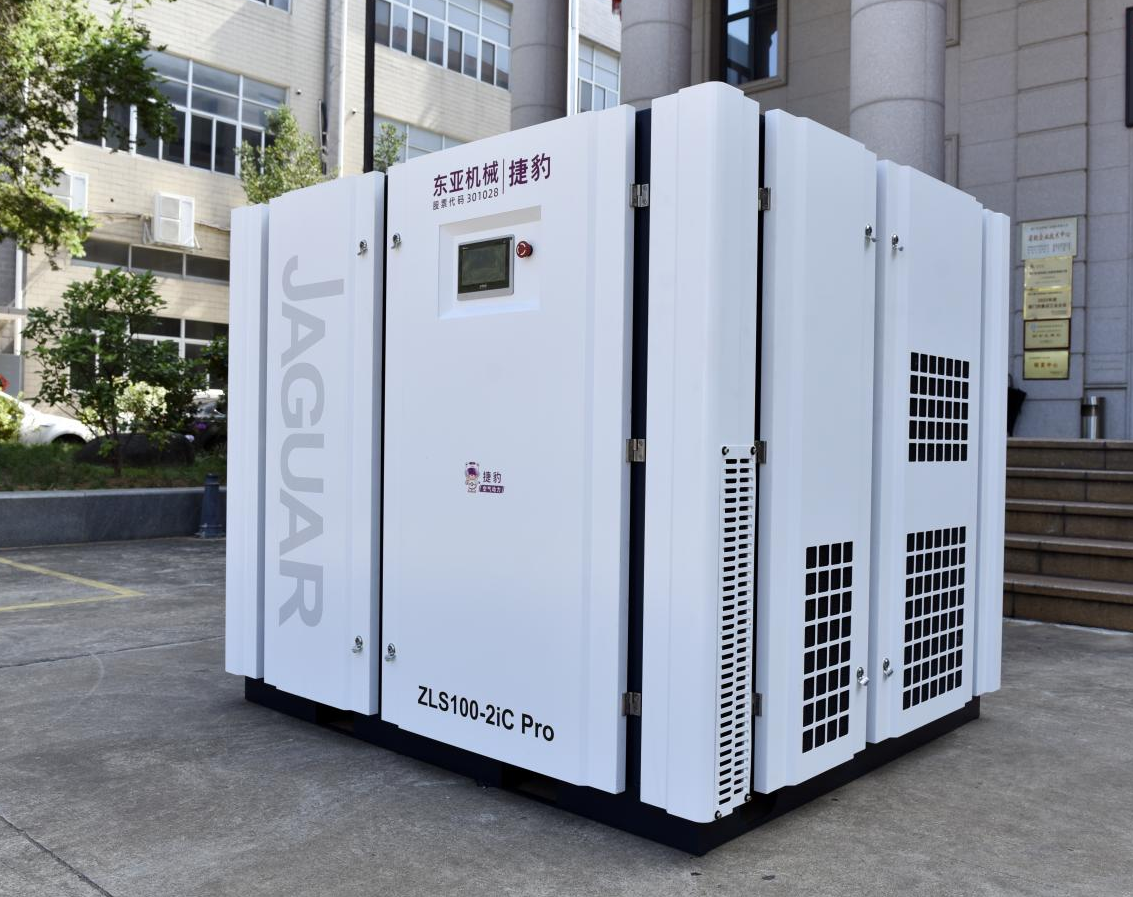
A two-stage screw air compressor serves as the primary infrastructure for heavy-duty sectors, including textiles, ceramics, metallurgy, and food processing. By compressing air in two distinct phases, these systems achieve higher volumetric efficiency and significant power savings compared to traditional single-stage models.
Technical Innovations in Energy Management
The industry is currently experiencing a realignment toward "smart energy" and systemic reliability. Historically, single-stage compression faced limitations in thermal efficiency; as air is compressed in a single step, significant energy is lost as heat. The development of the two-stage screw air compressor addresses this by splitting the task between two separate rotors, allowing for inter-stage cooling and reducing the work required for the subsequent stage.
A significant advancement in this field is the integration of Permanent Magnet Variable Speed Drive (PM VSD) technology. Modern systems utilize PM VSD to modulate output in real-time, addressing the "energy gap" typically found in older, fixed-speed systems that consume excessive electricity during periods of low demand.
Precision Engineering and Performance Reliability
Modern iterations of compressor technology have moved toward simplified internal architectures and near-isothermal compression processes. These technical refinements allow manufacturers to achieve sustainability goals without sacrificing torque or pressure stability. Furthermore, the shift from belt-driven systems to direct-drive configurations has reduced mechanical failure points and improved transmission efficiency.
In high-demand environments such as large-scale textile mills or machinery manufacturing plants, a leading two-stage screw air compressor can provide energy savings of 10% to 15% over high-end single-stage alternatives. For sensitive sectors like the food and electronics industries, where air purity and pressure consistency are non-negotiable, the use of liquid-cooled motors and heavy-duty bearings ensures operational stability.
Manufacturing Integration and Global Standards
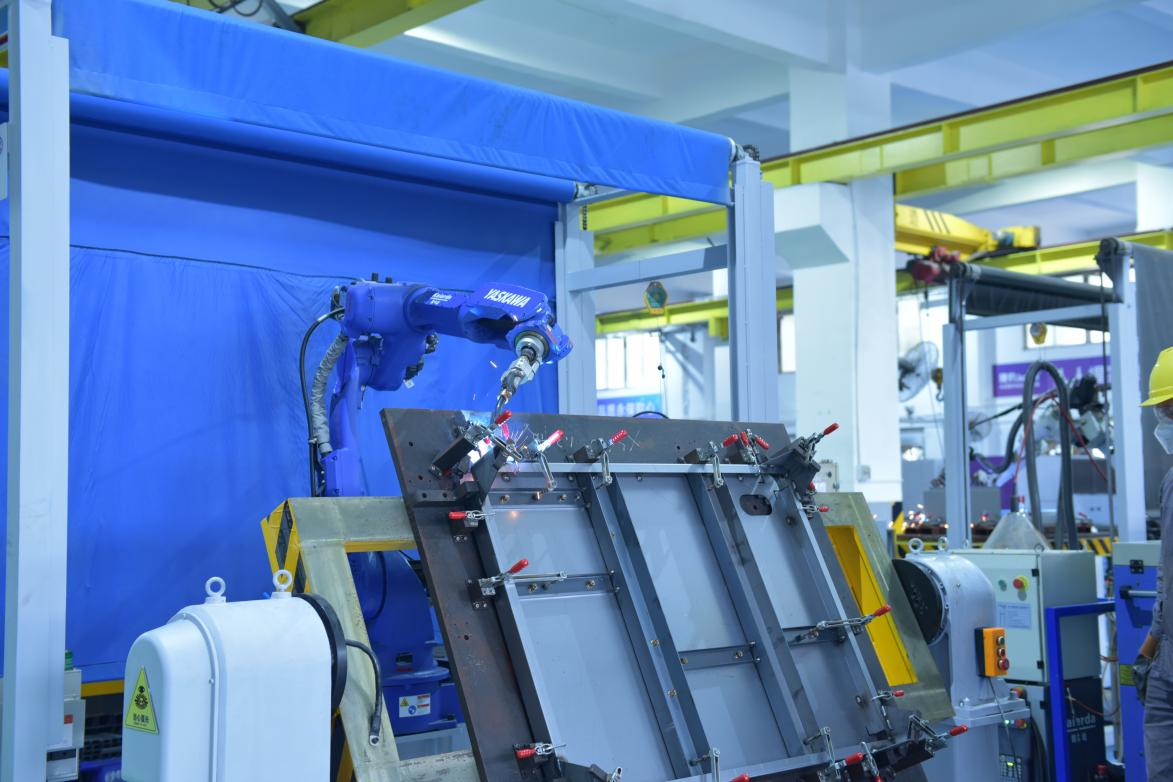
The capability of a solution provider is often defined by its manufacturing infrastructure. Xiamen Dingrongyan Technology Co., Ltd. (JAGUAR), operating from a 140,000-square-meter production base in Xiamen, China, exemplifies this integrated approach. The facility utilizes SBN grinding machines, DMG MORI CNC horizontal machining centers, and German Zeiss CMM measuring centers to maintain micron-level tolerances in the production of the compressor host.
Vertical integration—the independent research, design, and production of the compressor host—remains a distinguishing factor for premier providers. This mastery of core technology ensures that components are specifically optimized for the two-stage process. Such systems are typically supported by international certifications, including CE, ASME, ISO 9001, and ISO 14001, ensuring compliance with global quality and environmental management standards.
Conclusion
As the industrial era prioritizes carbon footprint reduction alongside maximized output, the demand for technical foresight in compressed air solutions continues to grow. A leading two-stage screw air compressor provider combines comprehensive R&D with large-scale precision manufacturing to deliver reliable, energy-efficient outcomes for diverse global applications.
Xiamen Dingrongyan Technology Co., Ltd.
Xiamen Dingrongyan Technology Co., Ltd.
+86 138 6017 9845
maggie@jaguar-compressor.com
Visit us on social media:
LinkedIn
Instagram
Facebook
YouTube
TikTok
Other
Legal Disclaimer:
EIN Presswire provides this news content "as is" without warranty of any kind. We do not accept any responsibility or liability for the accuracy, content, images, videos, licenses, completeness, legality, or reliability of the information contained in this article. If you have any complaints or copyright issues related to this article, kindly contact the author above.
