

GOOD DOOR Unveils High-Durability Aluminum Alloy Garage Door Solutions for Residential and Commercial Markets
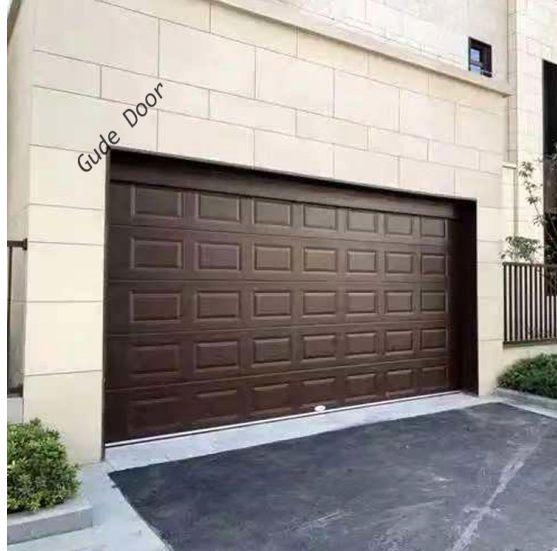
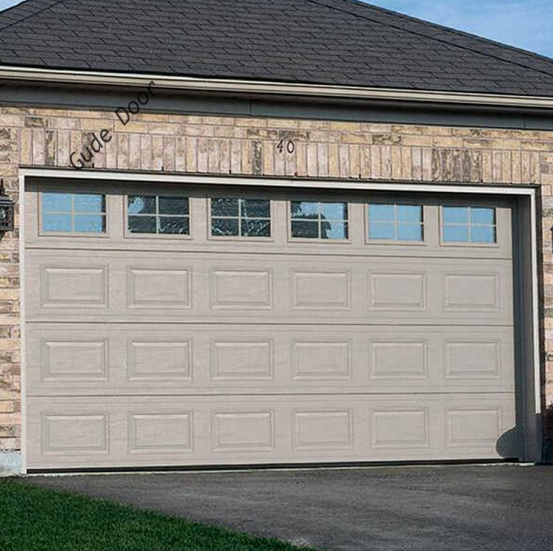
Located in Wuxi, the birthplace of China’s national and township industries, Wuxi GOOD DOOR INDUSTRIAL Co., Ltd. has established a strong presence in the heart of the nation’s industrial landscape. The company specializes in the research, development, production, and sale of a wide range of industrial doors, including sectional garage doors, high-speed doors, and specialized industrial shutters. This regional expertise contributes to the ongoing evolution of door systems utilized in residential communities, commercial complexes, and mixed-use developments worldwide.
The Strategic Role of Aluminum Alloy in Modern Infrastructure
In contemporary architecture, garage doors serve a critical role in security, energy management, and daily logistics. Aluminum alloy solutions are gaining market share globally by providing a balanced alternative to traditional materials, combining structural integrity with modern design requirements. Unlike traditional steel, which can be prone to oxidation in coastal or high-humidity environments, aluminum alloy offers natural corrosion resistance, making it a viable long-term solution for diverse geographic locations.
One of the primary technical advantages of aluminum alloy garage doors is the ability to maintain consistent performance over extended service cycles. These structures provide high dimensional stability, which helps mitigate deformation caused by thermal expansion, humidity fluctuations, or high-frequency mechanical operation. For facilities that require daily, high-volume access, this stability is essential. Smooth operation not only enhances the user experience but also minimizes the mechanical stress placed on hardware and motor systems.
Residential Applications and Aesthetic Versatility
In the residential sector, aluminum alloy garage doors are frequently integrated into villas, townhouses, and modern apartment complexes. The material's clean lines and customizable finishes allow for seamless integration with varied architectural styles, from minimalist industrial to classic contemporary.
Reports from the field suggest that homeowners are increasingly opting for aluminum systems as they offer a premium aesthetic without the intensive maintenance associated with wood or the significant weight of traditional steel. Furthermore, the lightweight nature of aluminum panels facilitates quieter operation. When paired with high-quality nylon rollers and precision-engineered tracks, these doors minimize the noise pollution often associated with residential garages, a key factor for domestic comfort.
Commercial and Engineering Utility
Commercial and engineering projects also utilize these systems for specialized needs. Parking facilities, office buildings, retail centers, and logistics hubs require doors that are reliable and compatible with centralized management systems. Aluminum alloy doors meet these needs by offering natural resistance to the elements and ease of integration with automated access controls.
For property managers, the adoption of these systems can lead to reduced facility downtime and improved traffic flow. In large-scale commercial environments, the reliability of the entry and exit points is paramount to operational success. The use of aluminum alloy reduces the load on the motor and counterbalance spring systems, effectively extending the maintenance intervals and reducing the probability of sudden mechanical failure.
Engineering Excellence: Security and Safety Evolution
The engineering behind modern aluminum alloy garage door designs continues to prioritize safety and asset protection. Current industry standards involve the integration of multiple safety layers:
Reinforced Panel Construction: Enhanced structural layering and high-density foam insulation provide resistance to environmental pressure and attempted unauthorized entry.
Advanced Locking Mechanisms: Integration with digital and physical security hardware, including anti-pry designs and smart-lock compatibility.
Intelligent Obstacle Detection: Modern systems utilize infrared sensors and wireless safety edges that trigger automatic reverse functions if an object is detected in the door’s path.
Emergency Manual Release: Standardized mechanisms ensure that the door remains functional and can be operated manually during power interruptions or motor issues.
These safety technologies are now considered standard expectations for both residential developers and commercial property owners, ensuring that modern garage doors protect both property and personnel.
Energy Efficiency and Thermal Performance
Energy efficiency remains a driving force in the adoption of aluminum garage door technology. Many units are now manufactured with "sandwich" panel structures—where an insulation core is bonded between two aluminum sheets—designed to reduce heat transfer and improve sound attenuation. This is particularly relevant for buildings where the garage is directly connected to climate-controlled living or working spaces.
Improved insulation assists in stabilizing indoor temperatures and reducing energy loss, supporting global energy-saving building standards. As energy costs fluctuate, the thermal performance of a garage door can contribute to significant long-term operational savings. Additionally, high-quality weather stripping and EPDM rubber seals at the bottom and sides of the door ensure a tight fit against the door frame, preventing drafts and the ingress of dust or water.
Procurement Values and Lifecycle Performance
From a procurement perspective, aluminum alloy doors offer a specific value proposition. While the initial capital expenditure may be higher than basic steel alternatives, the total cost of ownership (TCO) is often lower. Lifecycle performance—calculated by factoring in maintenance frequency, service life, and operational efficiency—makes these solutions a preferred option for quality-focused projects.
Developers and contractors are increasingly looking beyond the initial purchase price, recognizing that a durable, corrosion-resistant door reduces the long-term burden on property management budgets. The ability of aluminum to retain its appearance and structural integrity for decades without the need for frequent repainting or rust treatment provides a clear financial advantage over the duration of a building's life.
Global Market Trends and Sustainability Initiatives
Global demand for these systems continues to expand alongside urban development and infrastructure growth. Markets across North America, Europe, the Middle East, and the Asia-Pacific region are seeing increased adoption in both new construction and large-scale renovation projects.
Sustainability is also influencing purchasing decisions. Aluminum is a highly recyclable material, often referred to as a "green metal" due to its ability to be recycled repeatedly without losing its inherent properties. The industry is seeing a shift toward more environmentally responsible production processes, and the long product lifespan further contributes to sustainability goals by reducing the frequency of replacement and the associated waste.
The Future of Industrial and Residential Door Systems
Looking forward, aluminum alloy garage doors are expected to evolve in tandem with advancements in automation and "smart" building ecosystems. Enhanced connectivity, remote access monitoring via mobile applications, and improved insulation materials will further define the role of these systems in modern construction.
As user expectations for performance and customization increase, manufacturers like Wuxi GOOD DOOR INDUSTRIAL Co., Ltd. continue to focus on research and development to address the needs of a competitive global market. By leveraging its position in Wuxi's industrial hub, the company aims to continue delivering high-durability solutions that meet the rigorous demands of modern architecture.
For more information regarding aluminum alloy garage doors, technical specifications, or the full range of industrial door solutions, please visit the official website: https://www.wxgooddoor.com/
Wuxi Good Door Industrial Co., Ltd.
Wuxi Good Door Industrial Co., Ltd.
13961790898
wxgd0898@wxgooddoor.com
Legal Disclaimer:
EIN Presswire provides this news content "as is" without warranty of any kind. We do not accept any responsibility or liability for the accuracy, content, images, videos, licenses, completeness, legality, or reliability of the information contained in this article. If you have any complaints or copyright issues related to this article, kindly contact the author above.
